From Compliance to Quality by Design: How ICH E6(R3) Transforms the Practice of Clinical Research
Clinical research has entered a new phase with the introduction of ICH E6(R3). Since 23 July 2025, sponsors and CROs must follow a more flexible, principle-based approach to GCP that focuses on design quality, critical thinking and proportionality. The guideline also clearly recognizes the importance of digital tools, especially technologies that accurately measure patient adherence, in protecting data integrity and improving trial quality from the very beginning.
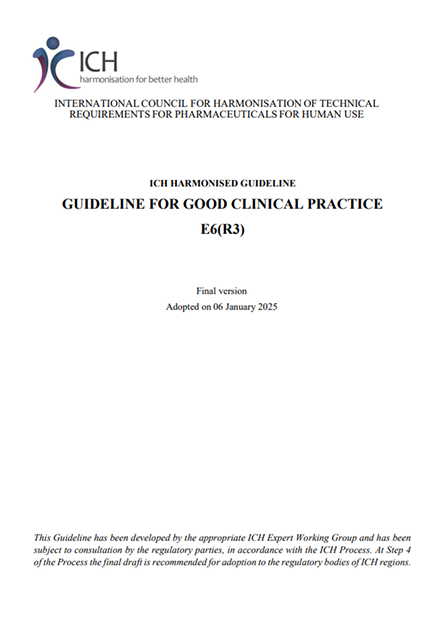
Since 23 July 2025, the updated ICH E6(R3) guideline has reshaped the definition of Good Clinical Practice (GCP). This third version of ICH E6 goes beyond regulatory updates, it represents a shift in mindset toward design-led thinking, critical analysis, flexibility, and proportionality. Importantly, it recognizes the value of digital tools that enhance trial quality from the very outset.
From Principles to Practice: The RBQM Framework
A cornerstone of ICH E6(R3) is the adoption of Risk-Based Quality Management (RBQM). RBQM empowers trial coordinators to:
Identify, assess, and prioritize risks that impact trial processes and outcomes.
Implement proportionate controls and monitoring activities.
Build quality into the design phase rather than inspecting it in afterward.
While the benefits of RBQM are widely accepted, implementation maturity varies. Stakeholders relying on outdated, manual processes may struggle to adapt, while those already embracing data-driven practices will find the transition smoother.
Why Adherence Data Matters in RBQM
Medication adherence is the root source of exposure data in a clinical trial. Without accurate adherence data, even the most robust efficacy analyses can be compromised. Traditional methods like patient self-report or pill counts introduce unquantified risk directly at odds with RBQM principles.
Digital Adherence Tools: RBQM Built In
AARDEX Group’s MEMS® Adherence Software (MEMS AS) exemplifies how digital adherence tools align perfectly with RBQM. By enabling real-time monitoring, measurement, and management of medication adherence, MEMS AS inherently supports risk identification and mitigation.
Key features include:
Medication Adherence Metrics. Predefined sponsor or CRO metrics illuminate adherence-related risks during trial conduct.
Key Risk Indicators (KRIs). Quantitative and qualitative metrics derived from adherence data across protocols, countries, or sites, supporting a Risk-Based Approach to Study Execution (RBx).
Central Statistical Monitoring. Analysis of adherence data across patient cohorts enables detection of anomalies, data entry errors, or even potential fraud, safeguarding data integrity.
Patient Profiles. Interactive visualizations combine multiple data sources to present each participant’s adherence journey as a single, graphical timeline.
Human Expertise Behind the Technology
AARDEX’s Professional Services Team supports Sponsors and CROs in implementing MEMS AS and designing adherence strategies aligned with RBQM. Together, digital adherence technology + expert guidance form a complete ecosystem for risk identification, evaluation, control, and reporting.
Evidence You Can Trust
ARDEX applies a best-practice methodologyindependent of any device or platformto ensure data clarity and confidence for all stakeholders. With decades of experience in medication adherence science, AARDEX delivers:
Having co-authored over one hundred peer reviewed papers alongside mentoring trial sponsors on medication adherence, our Scientific Lead, Bernard Vrijens, is considered an expert in the field.









 Proven technology